

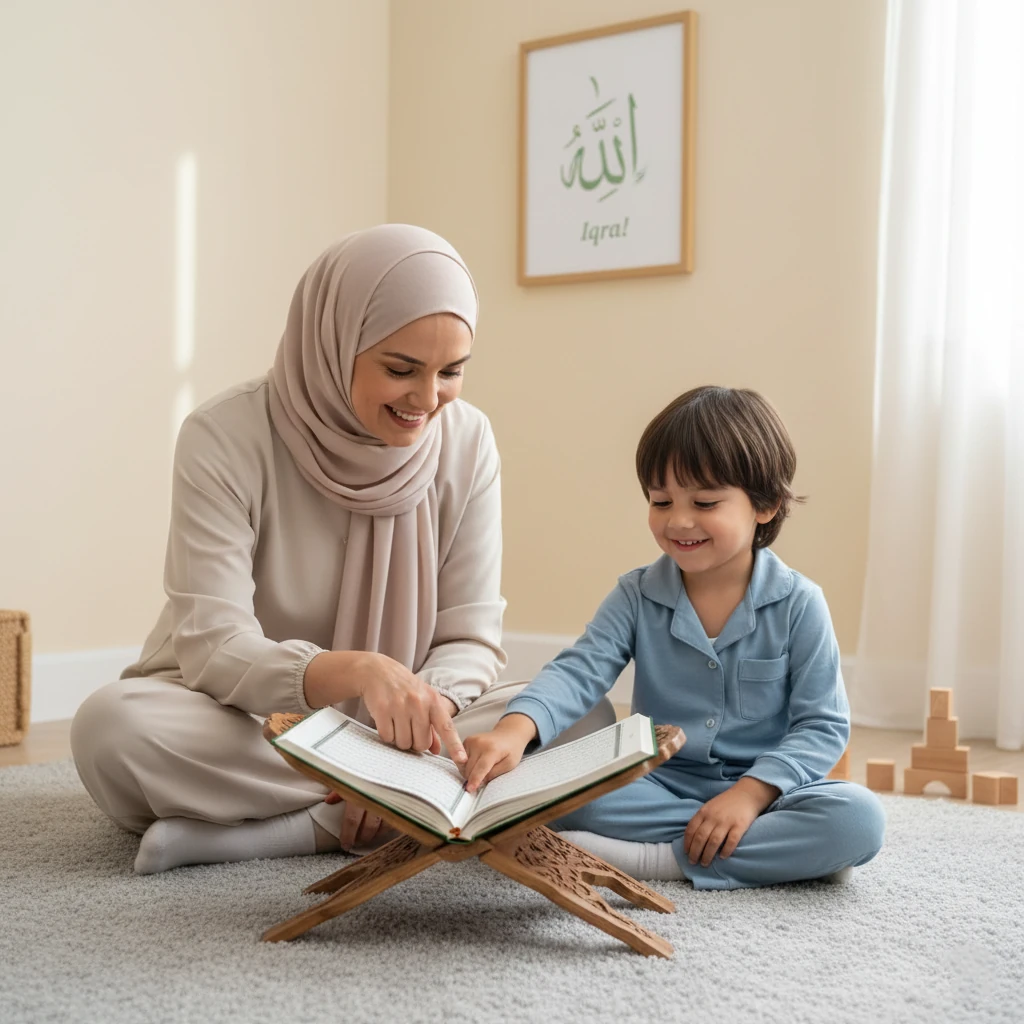
Parents often ask this quietly, sometimes with a little worry: Am I starting too early… or too late? After dealing with families of various backgrounds, one thing keeps reoccurring. The best way to teach early Quran to children is in a manner that is relaxed, serene and not forced.
It is not about getting children through verses. It’s about letting the Quran become familiar-like a voice they recognize, a rhythm they trust. When that happens early, something settles in the heart without effort.
Understanding Early Quran Learning for Children
Early Quran learning isn’t formal study in the strict sense. For most children, it begins with listening, repeating short verses, and simply being present during recitation. A teacher once told me, “Some kids don’t say much for weeks-and then suddenly, they recite.”
That’s how young minds work. They absorb quietly. Learning happens even when it doesn’t look like learning.
Why Childhood Is the Best Time to Learn the Quran
Children learn before they question. Their minds are open, their memory strong, and their hearts soft. That’s why Quran education for kids fits so naturally into early childhood.
I’ve seen children memorize verses while playing with a pencil or swinging their feet under a desk. No stress. No resistance. Just learning, the way it should be.
And really-wouldn’t we all learn better that way?
How Early Quran Learning Shapes a Strong Islamic Foundation
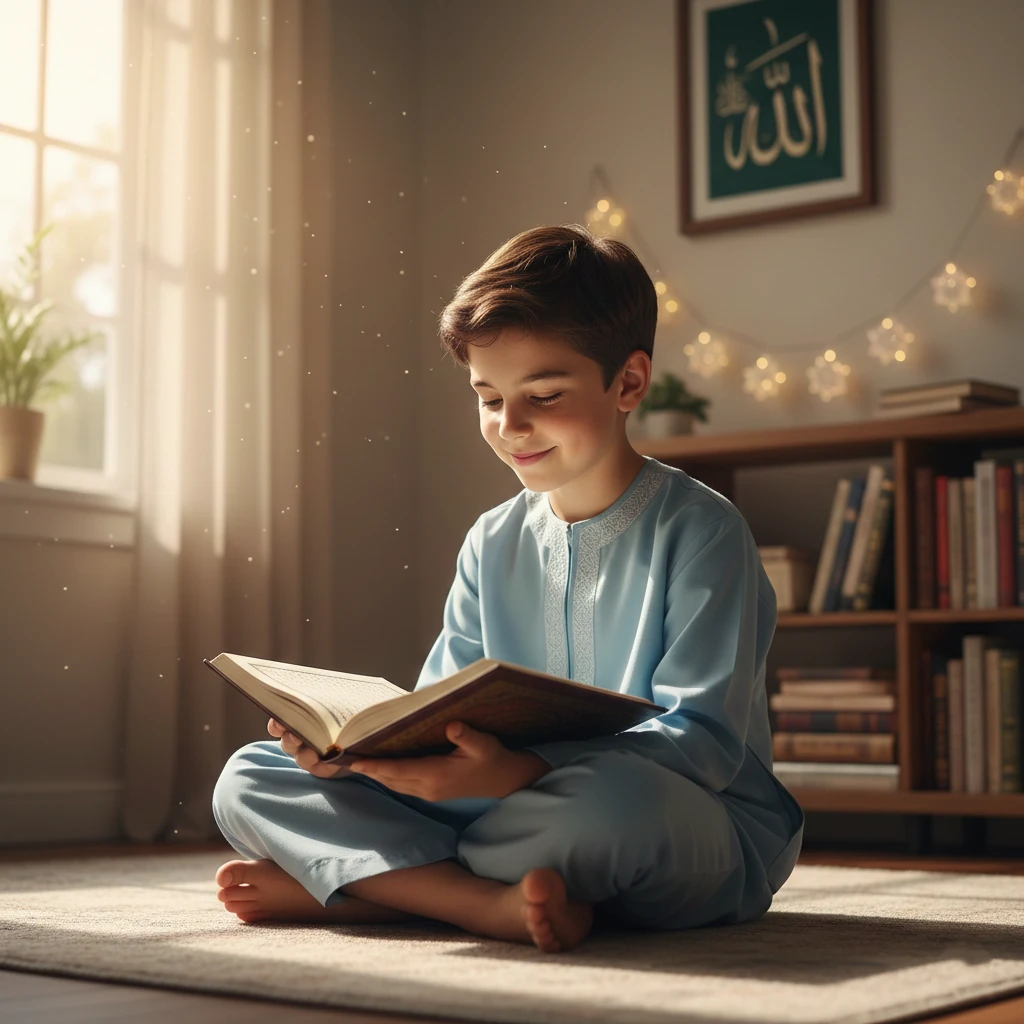
A strong Islamic foundation doesn’t appear overnight. It is constructed gradually, by repetition, acquaintance and meaning. The listening of the Quran by children on a regular basis helps it to make part of the inside world.
And at later times, when they are facing tough times (and trust me, there are tough times), that initial tie tends to drag them back.
Developing Love and Respect for the Quran
Children who learn gently tend to develop affection for the Quran. I once watched a child remind his parent, “We didn’t read today.” No pressure. Just attachment.
That love matters. It turns learning into something they want, not something they avoid.
Building Strong Islamic Values and Manners
Teaching Quran to children early often reflects in behavior-sometimes in small, surprising ways. A parent once shared how their child began correcting themselves mid-sentence, choosing kinder words.
It’s subtle. But these moments add up.
Educational and Emotional Benefits of Teaching Quran to Children Early
The benefits aren’t only spiritual. Quran learning supports focus, listening, and patience. Children learn to sit, repeat, and follow gentle structure-even if they wiggle a little at first.
Emotionally, it gives stability. In busy homes and noisy schedules, that calm routine becomes an anchor.
Improved Memory, Listening, and Concentration
Short daily sessions do more than long, irregular ones. I’ve seen children remember verses learned months earlier, almost effortlessly.
Consistency works quietly. Always has.
Emotional Security Through Faith-Based Learning
There’s comfort in familiarity. Children who hear the same verses regularly often find peace in them-especially during transitions or stressful moments.
It’s not dramatic. Just reassuring. And sometimes, that’s exactly what a child needs.
The Role of Parents in Early Quran Learning for Kids
Parents often think they need expertise. They don’t. Support matters more than skill. A simple “I’m proud of you” carries weight.
One mother told me she didn’t understand the lesson-but she sat nearby anyway. Her child learned faster. Coincidence? Probably not.
Creating a Supportive Home Learning Environment
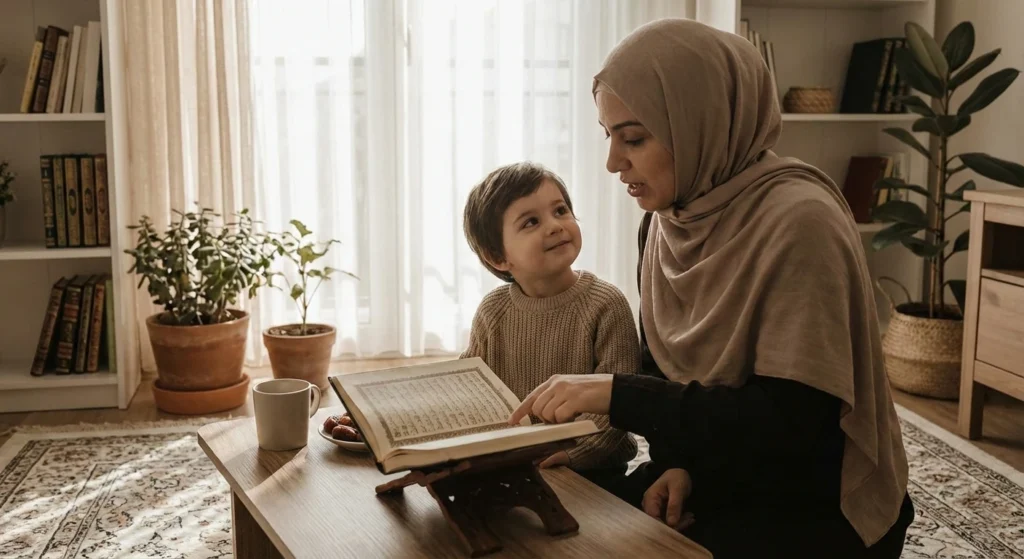
You don’t need a perfect setup. A quiet corner, a regular time, and a calm tone are enough. Ten focused minutes beat thirty distracted ones.
And missed days happen. That’s okay. Just return gently.
Choosing the Right Approach for Quran Learning for Children
Every child is different. Some thrive with one-on-one attention. Others enjoy interaction. The thing is that it is important that the approach should suit the child – and not vice versa.
An excellent teacher can see the changes of moods, the level of energy, even the lack thereof. All the difference is in being aware.
Online Quran Education among Children as an option.
Many families now choose online learning. It’s flexible, familiar, and often more consistent. Children learn from home, in a space they trust. Online Quran classes that target kids can be intimate when organized in a good manner.
Long run Effect of early Quran education.
Early children may grow up knowing what they are reciting, and feel safe with the Quran. Later they are not intimidated by it.
Rather it seems like something to which they are accustomed. And that’s powerful.
Conclusion: Building your child Islamic Future.
Early Quran education is not on the level of achievement charts or schedules. It is all about attachment, coherence, and nurturing. Money is penny wise and strong roots are made by peneal implementations.
Unless you are thinking of starting out, start small. The findings are more likely to progress themselves.
FAQs
Many children respond well between ages four and six, but readiness matters more than numbers.
Short sessions-10 to 20 minutes-are usually enough, especially for younger children.
Absolutely. Encouragement and routine matter more than language
Yes, when lessons are structured and teachers are experienced with children.
Not at first. Love, familiarity, and correct listening come before memorization.